40 the descending limb of the nephron loop quizlet
Nephron Loop (of Henle) Flashcards | Quizlet the descending limb of the nephron loop will reabsorb about 15% of waste in glomerular filtrate the thick ascending limb of the nephron loop has symporters that will reabsorb one sodium ion, one potassium ion, two chloride ions from tubular fluid potassium ions Renal physiology: Counter current multiplication - Khan Academy Nephrons can be thought of in sections, each with a different structure and function. These are the glomerulus, the proximal tubule, the loop of Henle, the distal tubule, and the collecting duct. The loop of Henle is a hairpin-like structure comprised of a thin descending limb, a thin ascending limb and a thick ascending limb.
Nephron - Structure | BIO103: Human Biology - Lumen Learning The loop of Henle is a U-shaped tube that consists of a descending limb and ascending limb. It transfers fluid from the proximal to the distal tubule. The descending and ascending portions of the loop of Henle (sometimes referred to as the nephron loop) are continuations of the same tubule. They run adjacent and parallel to each other after ...

The descending limb of the nephron loop quizlet
Tubular reabsorption article (article) | Khan Academy Nephrons are divided into five segments, with different segments responsible for reabsorbing different substances. Reabsorption is a two-step process: The first step is the passive or active movement of water and dissolved substances from the fluid inside the tubule through the tubule wall into the space outside. urinary system 2 Flashcards | Quizlet the thick ascending limb of the nephron loop is mostly permeable to ions, such as Na and Cl as filtrate moves down the descending limb of the nephron loop its concentration increases if the filtrate concentration is lower than normal at the turn of the nephron loop active transport in the thick ascending limb will be less efficient A & P Final Renal System Flashcards | Quizlet 9) The descending limb of the nephron loop ________. A) is not permeable to water B) is freely permeable to sodium and urea C) pulls water by osmosis into the lumen of the tubule D) contains fluid that becomes more concentrated as it moves down into the medulla contains fluid that becomes more concentrated as it moves down into the medulla
The descending limb of the nephron loop quizlet. Urinary IP2 Urine Concentration and Volume Worksheet.docx How does the permeability of the ascending limb of the nephron loop affect the concentration of the filtrate as it flows up the loop? 5. The vasa recta is a capillary and is permeable to both water and sodium. Describe water movement and sodium movement as blood flows down the descending vasa recta. 6. Urinary System Quiz Questions And Answers - ProProfs Quiz Along the descending limb of the nephron loop (loop of Henle) ______________ is reabsorbed, while along the ascending limb _________________ is reabsorbed. A. Water; urea B. Salt; water C. Salt; urea D. Water; salt E. Water; glucose 8. The distal convoluted tubule is only permeable to water if _______________ is present. A. Epinephrine B. Oxytocin Water Filtration and Reabsorption - Urinary - TeachMePhysiology Loop of Henle. Water reabsorption occurs in the thin descending limb of the Loop of Henle. It is permeable to water, which means that H 2 O molecules are freely able to leave it. Similarly to in the PCT, water can leave the thin descending limb into the more concentrated medulla through transcellular and paracellular movement. CH. 26 Assessment Flashcards | Quizlet 1. nephron loop 2. vasa recta 3. water 4. solutes 5. vasa recta 6. ascending limb, descending limb 7. urea Identify the highlighted structures with the appropriate la Indicate whether each statement is true or false regarding the regulation of the glomerular filtration rate. 1. Regulation is achieved through autoregulation 2.
Chapter 25: Urinary Flashcards | Quizlet The descending limb of the nephron loop ________. A) is freely permeable to sodium and urea B) contains fluid that becomes more concentrated as it moves down into the medulla C) pulls water by osmosis into the lumen of the tubule D) is not permeable to water contains fluid that becomes more concentrated as it moves down into the medulla The Nephron Loop Flashcards | Quizlet -The descending loop of the nephron loop is permeable to water -water leaves by osmosis and returns to the blood until it becomes isotonic loop of henle ascending limb -The wall of the loop is no longer permeable to water, but not impermeable to NaCl -As NaCl leaves the filtrate in the ascending loop Students also viewed Urinary 106 terms sgeor00 Kidney histology: Nephron, loop of Henle, functions | Kenhub The nephron loop is the U-shaped bend of a nephron which extends through the medulla of the kidney. Histologically, it consists of two parts; thin descending and thin ascending limbs. Both limbs are composed of simple squamous epithelium. The cells have few organelles, little to no microvilli and low secretion abilities. Aldosterone acts on the __________. - Biology | Quizack Aldosterone acts on the _____. 1.Descending limb of the nephron loop, 2.Medullary portion of the collecting duct, 3.Glomerulus, 4.Proximal convoluted tubule, 5.Distal convoluted tubule
Lab 56 (Urinary Organs) Flashcards | Quizlet 3) descending limb of nephron loop 4) ascending limb of nephron loop 5) distal convoluted tubule 6) collecting duct 7) papillary duct in renal papilla number the following structures to indicate respective positions in the pathway of urine flow in a male. 1) minor calyx 2) major calyx 3) renal pelvis 4) ureter 5) ureteral opening 6) urinary bladder What is the main function of the descending loop of - Studybuff Within the nephron of the kidney, the descending limb of loop of Henle is the portion of the renal tubule constituting the first part of the loop of Henle. What occurs in the descending limb of the loop of Henle quizlet? The loop of henle has two parts known as the descending and ascending limbs. … What is the function of the descending loop of Henle? - Studybuff in the descending limb of the nephron loop, water moves into the surrounding peritubular fluids, leaving a small volumt te of hightly concentrated tubular fluid. This reduction occurs by obligatory water reabsorptpion. the tick ascending limb is impermeable to water and solutes. How can you tell the difference between a PCT and DCT? A & P Final Renal System Flashcards | Quizlet 9) The descending limb of the nephron loop ________. A) is not permeable to water B) is freely permeable to sodium and urea C) pulls water by osmosis into the lumen of the tubule D) contains fluid that becomes more concentrated as it moves down into the medulla contains fluid that becomes more concentrated as it moves down into the medulla

Structure of Nephron and Collecting Duct Diagram | Quizlet
urinary system 2 Flashcards | Quizlet the thick ascending limb of the nephron loop is mostly permeable to ions, such as Na and Cl as filtrate moves down the descending limb of the nephron loop its concentration increases if the filtrate concentration is lower than normal at the turn of the nephron loop active transport in the thick ascending limb will be less efficient
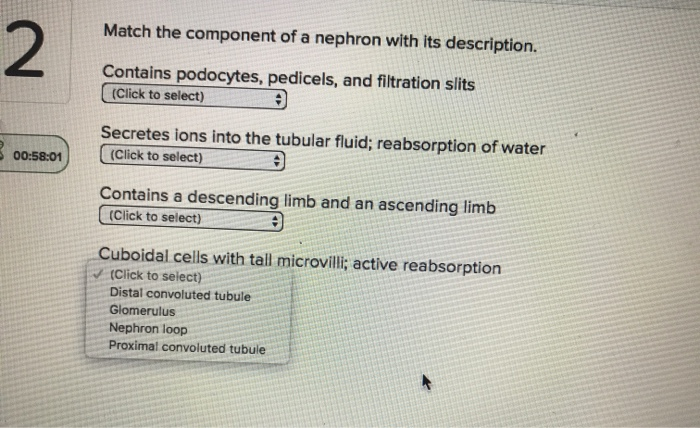
Solved Match the component of a nephron with its | Chegg.com
Tubular reabsorption article (article) | Khan Academy Nephrons are divided into five segments, with different segments responsible for reabsorbing different substances. Reabsorption is a two-step process: The first step is the passive or active movement of water and dissolved substances from the fluid inside the tubule through the tubule wall into the space outside.
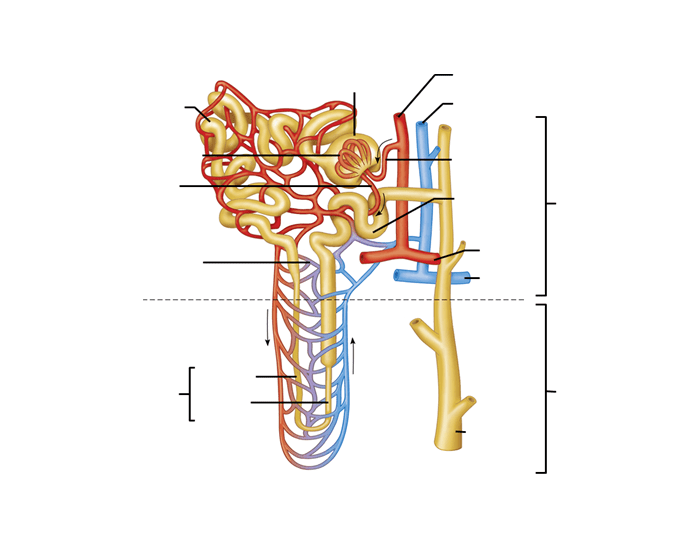
Nephron: functional unit of the urinary system Quiz

Renal MCQ 4 | PDF | Kidney | Angiotensin

nephron loop Diagram | Quizlet

Nephron Loop Labeled Diagram | Quizlet

Lecture 26 Diagram | Quizlet
21.3: Microscopic Structures of the Kidneys - Nephrons ...

Urinary System Part 3 Flashcards | Quizlet

Cortical and Juxtamedullary Nephrons and their Associated ...

112L-Lab #9 Anatomy, Urinary System Flashcards | Quizlet

MAP 7 - Urinary System Flashcards | Quizlet

Urinary system Flashcards | Quizlet

Descending limb of loop of Henle - Wikipedia

chapter 26 - Urinary System Flashcards | Quizlet

cortical and juxtamedullary nephron Diagram | Quizlet
BAB IV HASIL DAN PEMBAHASAN A. Hasil Penelitian Penelitian ...

Ch 25 HW Flashcards | Quizlet

Nephron Loop Pt. 2 Diagram | Quizlet

Cortical and juxtamedullary nephrons and their associated ...

CH. 26 Assessment Flashcards | Quizlet

Descending limb of loop of Henle - Wikipedia
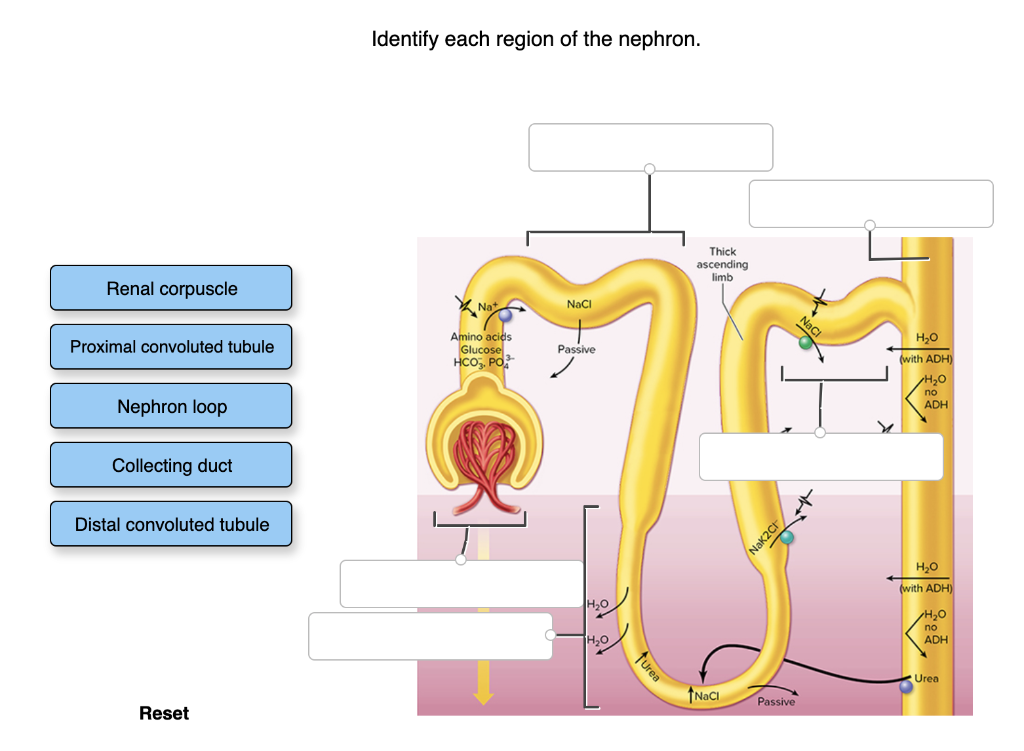
Solved Identify each region of the nephron. Thick ascending ...

Chapter 23- Urinary System Flashcards | Quizlet
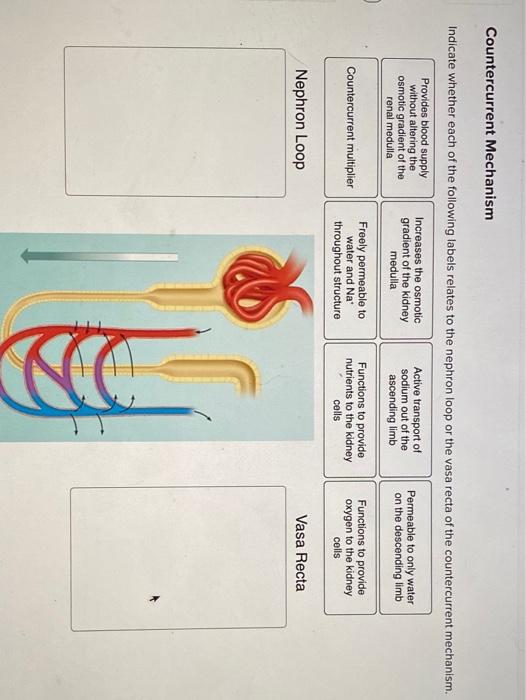
Solved Countercurrent Mechanism Indicate whether each of the ...

CH. 26 Assessment Flashcards | Quizlet

Urinary System Diagram | Quizlet

Urinary System A & P Diagram | Quizlet

Ch 25 HW Flashcards | Quizlet
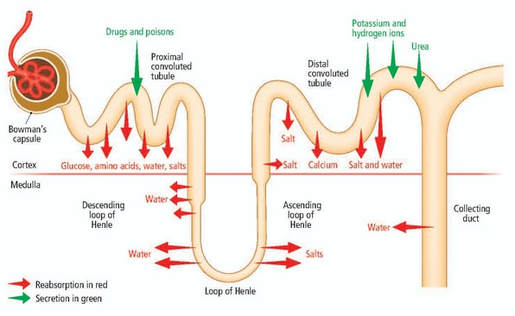
Topic 11.3: The Kidney and Osmoregulation - AMAZING WORLD OF ...

Urinary System Flashcards | Quizlet

BSC2086L LESSON 9: MICROSCOPIC ANATOMY OF KIDNEYS Diagram ...

Urinary system (structure of a nephron) Diagram | Quizlet
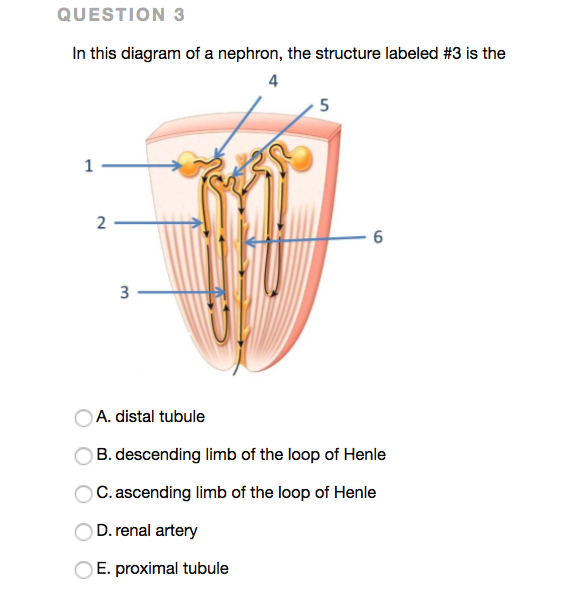
Solved QUESTION 3 In this diagram of a nephron, the | Chegg.com

RENAL: Nephron - Part I Flashcards | Quizlet | Physiology ...

Ch. 24 Urinary HW Flashcards | Quizlet
24 The Urinary System

The Urinary System Part 1 - ppt video online download

Urinary System lll Flashcards | Quizlet

Labelled nephron Diagram | Quizlet
Post a Comment for "40 the descending limb of the nephron loop quizlet"